 By Katie Dobson, REALTOR® | Brampton | Rosedale Village Real Estate Specialist
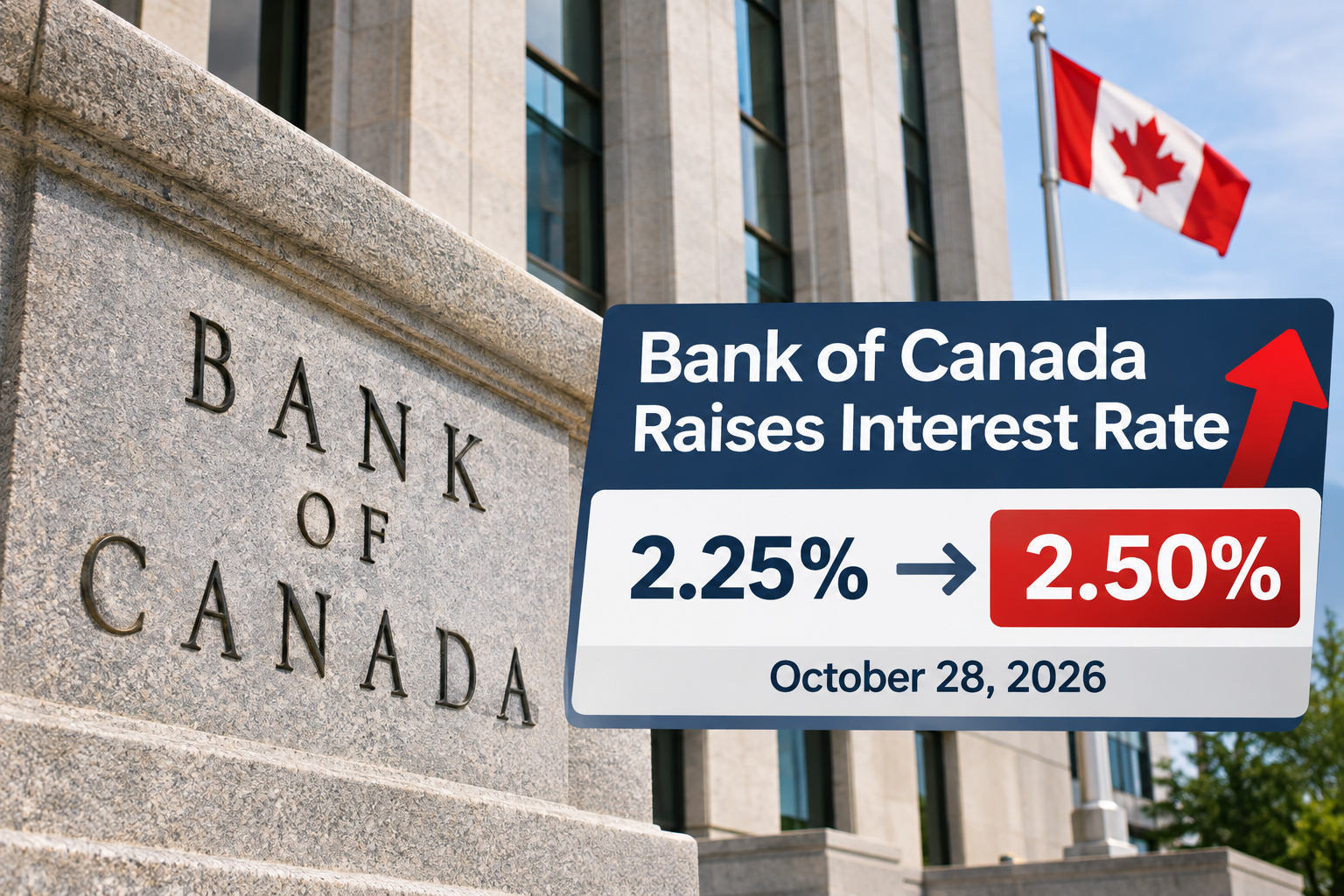
The Bank of Canada just raised interest rates. Again. On October 28, 2026, the Bank raised its key rate from 2.25% to 2.50%. It's the first rate hike since 2023.
So, what does this mean if you're thinking about buying or selling a home in Brampton?
Should you wait until spring? Will home prices fall? Will buyers pull back? And what if rates keep going up?
These are fair questions. As a Brampton REALTOR® who lives and works in Rosedale Village, I hear a lot about why people want to move. I also hear why they decide to wait. Some want to downsize but worry about selling for less than their home was once worth. Others hope rates will drop before they buy. I understand both sides. But there's one thing I always want homeowners to think about.
What will waiting cost you?
Let's look at what this rate hike means for Brampton buyers, sellers, and those thinking about downsizing.
Why Did the Bank of Canada Raise Interest Rates?
The Bank of Canada raises rates to help keep prices from rising too fast. When prices rise, we call it inflation. Higher rates make it more costly to borrow money. That can slow spending and help bring prices down. But this time, the problem isn't just people spending too much. High oil prices have pushed up the cost of fuel and shipping. Those costs can make food, goods, and services more expensive. And when it costs a business more to operate, some of that cost often gets passed on to customers.
The Bank expects inflation to stay near 3% through much of 2027. It also expects Canada's housing market to remain weak for the next 2 to 3 full years.
That doesn't mean every home will lose value. It means we shouldn't count on a quick return to the market we saw in 2021 and early 2022.
You can read the Bank of Canada's October 28, 2026 announcement for more details.
What Does the Rate Hike Mean for Brampton Home Buyers?
If you're buying a home with a mortgage, this rate hike could affect your monthly costs.
Your Mortgage May Cost More
If you have a variable-rate mortgage, your rate may rise when your lender raises its prime rate. If you have a fixed-rate mortgage, your rate won't change during your current term. But if you're buying soon or renewing your mortgage, you'll want to review your options. Here's a simple example:
Let's say you need a $500,000 mortgage over 25 years. At 4%, your payment would be about $2,639 per month. At 4.25%, it would be about $2,697. That's an extra $58 each month. It may not seem like much. But add that to property taxes, home insurance, utilities, and other bills, and it starts to add up. These are sample rates, not current mortgage offers.
Higher Rates May Mean Less Competition
There's another side to this. When rates rise, some buyers put their plans on hold. That can mean fewer people looking at the same homes. And fewer buyers may give you more room to negotiate. You might have more time to think about an offer. You may also have a better chance of including terms that protect you. I've seen how buyer concerns can affect a sale. While marketing a bungalow in Rosedale Village, I dealt with feedback about the home's layout and features. Buyers had clear views about what they wanted and what they didn't.
The lesson? Buyers don't make decisions based on interest rates alone.
They also look at price, condition, layout, and how well a home suits their needs. A home that checks the right boxes can still attract interest in a slower market.
Should You Wait for Lower Mortgage Rates Before Buying?
Maybe. But don't assume waiting will save you money. Let's say you find a home you love for $750,000. You decide to wait because you think rates will fall. Six months later, rates are lower. Great! But what if more buyers have entered the market? What if that same type of home now costs $780,000? You may get a lower mortgage rate but pay $30,000 more for the home. Of course, prices could also fall while you wait. Nobody knows for sure. That's why I don't think buyers should base their whole plan on trying to guess where rates will go. If you're ready to buy, have a steady income, and can afford the monthly costs, it may be worth looking now. If your budget is tight, waiting may be the better choice. Buy when the home and the numbers make sense for you.
What Does This Mean for Brampton Home Sellers?
This is where I think homeowners need to pay close attention. Higher rates can make buyers more careful with their money. They may have smaller budgets. They may take longer to decide. And they may compare more homes before making an offer. That means sellers need to be realistic about price.
Your Home Is Worth What Today's Buyers Will Pay
I've worked with sellers in Rosedale Village who had to make tough choices about price. One bungalow I marketed received close to 50 showings over its time on the market. We had plenty of people through the door. But showings don't always lead to offers. Buyers raised concerns about certain features. Price was also a factor. We made changes and reviewed the asking price as the market changed. That experience reinforced something I often tell sellers.
The number of people viewing your home doesn't matter nearly as much as what they're willing to pay for it.
You can have a lovely home. You can maintain it well. You can have years of memories there. But buyers will still compare it with other homes they can buy today. And if they feel they can get better value elsewhere, they may move on.
Don't Price Your Home Based on the Peak Market
I know it's hard to hear that your home may be worth less than it was a few years ago. Especially if you've lived there for 20 or 30 years. But the market has changed. What a neighbour sold for in 2022 may have little to do with what buyers will pay in November 2026. That's why I look closely at recent sales, current listings, and homes that haven't sold. They all tell us something. A good asking price should reflect today's market, not the price we wish we could get.
The Cost of Waiting: What Could Another Six Months Cost You?
This is a conversation I think more homeowners need to have. It's easy to say, "We'll wait until spring." But what does waiting really mean?
The Cost of Keeping Your Home
Let's say you're thinking about selling but decide to wait six months. During that time, you still have bills to pay.
These may include:
- Property taxes
- Home insurance
- Heat, hydro, and water
- Condo fees, if you own a condo
- Lawn care and snow removal
- Repairs and upkeep
- Mortgage interest, if you still have a loan
Now let's say those costs add up to $2,000 per month. That's $12,000 over six months. Of course, you'll have some living costs in your next home, too. So the full $12,000 isn't always an extra cost. But it's still money worth looking at. If you're waiting because you hope to sell for $20,000 more next spring, ask yourself how much you'd actually gain after paying the costs of keeping your home. And what happens if prices don't rise?
What If Your Home Is Worth Less Next Spring?
Let's say your home could sell for $900,000 today. You decide to wait because you hope to get $950,000 next year. But what if the market stays flat? Or what if more homes come up for sale and buyers have more choice? There's no promise that waiting will bring a higher price. I saw this firsthand while marketing homes in Rosedale Village. We adjusted asking prices as the market changed. Buyers had more choices and were careful about what they would pay. Those were real conversations with real sellers. And they weren't always easy. That's why I believe homeowners should know what their home could sell for now before they decide to wait.
Downsizing in Brampton: The Cost of Waiting Isn't Just Money
This is the part I care about most. I work with homeowners who are thinking about leaving a home they've lived in for decades. Some want less space. Some are tired of yard work. Others want a bungalow so they don't have to deal with stairs. And some just want more time to enjoy life. But they keep putting the move off.
Maybe next spring.
Maybe when prices rise.
Maybe when rates fall.
I understand. Moving after 30 or 40 years is a big deal. But I also think it's worth asking what another year in that house will look like. Will you still want to cut the grass? Will the stairs get any easier? Do you want to spend another winter clearing snow? Are you paying to heat and maintain rooms you hardly use? And what would you rather be doing with that time and money?
Your Home Should Still Work for You
Living in Rosedale Village gives me a close look at why people choose this type of community. Many want a smaller home and less work. They like having access to the clubhouse, pool, golf, and other ways to stay active. They also like being part of a community. Of course, condo living comes with fees and rules. And it won't suit everyone. But for someone who no longer wants to care for a large home, it may be a good fit. If you're thinking about downsizing, I suggest looking at both the money and your day-to-day life.
What would you gain by moving? And what would you give up by waiting?
Those answers matter just as much as the sale price.
Selling and Buying? Look at Both Sides of the Move
Here's something that often gets missed. If you're selling one home and buying another, a slower market may affect both prices. Let's say your current home was once worth $1 million. Today, similar homes sell for around $900,000. That's a hard drop to accept. But what if the bungalow you want to buy has also dropped from $850,000 to $750,000? In this example, the gap between the two prices is still $150,000. So while you're selling for less, you're also buying for less. These are sample numbers. Each type of home can change in value at a different rate. Still, it's a good reason to look at the full move.
Don't judge the deal by your selling price alone.
Look at what you'll have left after you sell, buy, and pay your moving costs.
Should You Wait Until Spring 2027 to Sell?
Spring can be a busy time for real estate. But more buyers often mean more homes for sale, too. That gives buyers more choice. If you list now, you may face less competition from other sellers. If you wait, you may have more buyers looking. Both can work. The right choice depends on your home, your plans, and the local market. I wouldn't tell someone to sell in November just because rates went up. And I wouldn't tell them to wait until spring just because that's when people often move. I'd want to know why they're moving, what their home is worth, and what they hope to buy next. Then we can look at the options.
What About Estate Property Sales?
If you're handling the sale of a family member's home, waiting can be costly. An empty home still needs care. You may have to pay property taxes, insurance, heat, condo fees, and repair bills. I've worked with families selling estate homes in Rosedale Village. These sales can involve more than just finding a buyer. There may be legal steps, family decisions, and delays that affect when the sale can close. I've also dealt with unexpected property issues during the sale process. Those experiences have taught me that time and upkeep matter. Waiting for a higher price may make sense. But the family should know what it costs to keep the home while they wait. Estate trustees should also speak with their lawyer about their duties and any limits on the sale.
What Should Brampton Buyers and Sellers Do Now?
The Bank of Canada's next rate decision is set for December 9, 2026. Rates could rise again. They could stay the same. One thing is for sure, they are not going down. But you don't have to wait for that news to start planning. If you're thinking about a move, here's where I'd start:
- Find out what your home could sell for today.
- Review the homes you'd like to buy.
- Work out your monthly costs.
- Check your mortgage options.
- Think about what waiting three, six, or twelve months could mean.
- Set a plan that works for your life, not just the market.
You don't need to make a move tomorrow. But you should know your options.
My Take: Don't Put Your Life on Hold for the Market
I've seen how much time and thought goes into selling a home. I've also seen how hard it can be for sellers to accept that the market has changed. I get it. No one wants to feel they've sold at the wrong time. But waiting doesn't always lead to a better result. Sometimes it makes sense to wait. Other times, the cost of keeping your home may eat into the gain you're hoping for. And if you're downsizing, there's more to think about than money. There's your time, your comfort, and how you want to live.
You can't control interest rates. You can't control the market. But you can make a plan based on what you know today.
That's where I'd start.
Thinking About Selling or Downsizing in Brampton?
If you're thinking about selling your home in Brampton or Rosedale Village, I'd be happy to help you look at your options. We can talk about what your home could sell for, what you might buy next, and whether moving now or waiting makes more sense. No pressure to make a move before you're ready.
Just a clear look at the numbers and your choices.
Katie Dobson, REALTOR® | Royal LePage Real Estate Associates, Brokerage | Brampton | Rosedale Village Real Estate Specialist
Live Here. I Sell Here.
*Sources: Bank of Canada, October 28, 2026, interest rate announcement; The Canadian Real Estate Investor Podcast, Episode 451, October 30, 2026.*
*This article shares general real estate information. Mortgage figures are examples, not quotes. Speak with a mortgage, legal, or tax expert about your own needs.